
— Monkey Flower Ranch
Our Dark skies will blow your mind:
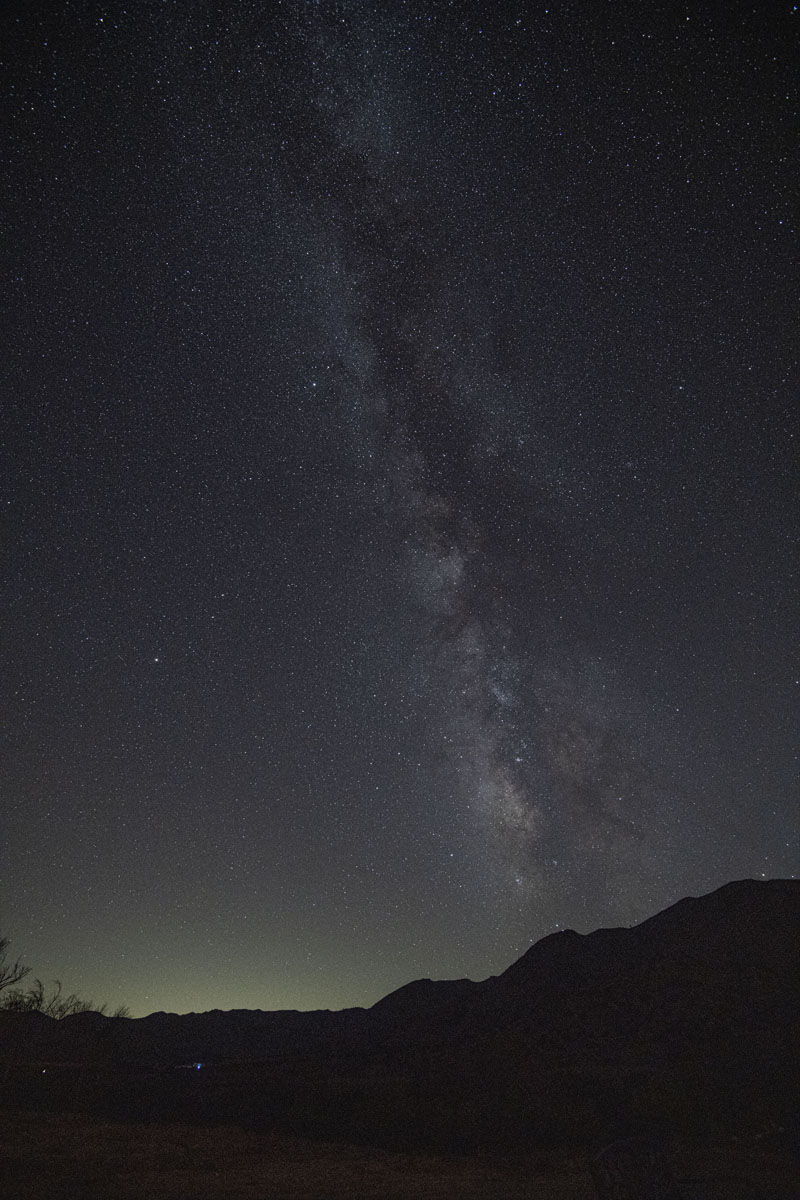
These are rare sites – starry skies like these. Our night sky is exceptional. We are in the southern tip of the Sequoia national forest, and have 90 acres of pristine nature giving unobstructed views of the dark skies.
Most of us live in suburban or city areas where the night is washed out from light pollution. Not here. We have the darkest skies next to Death Valley and Yosemite.
Our skies are ideal for couples or families to share, and educational for both young and old. We have a number of books and guides on how to explore the stars, moon, and planets with either your naked eyes or scientific equipment.
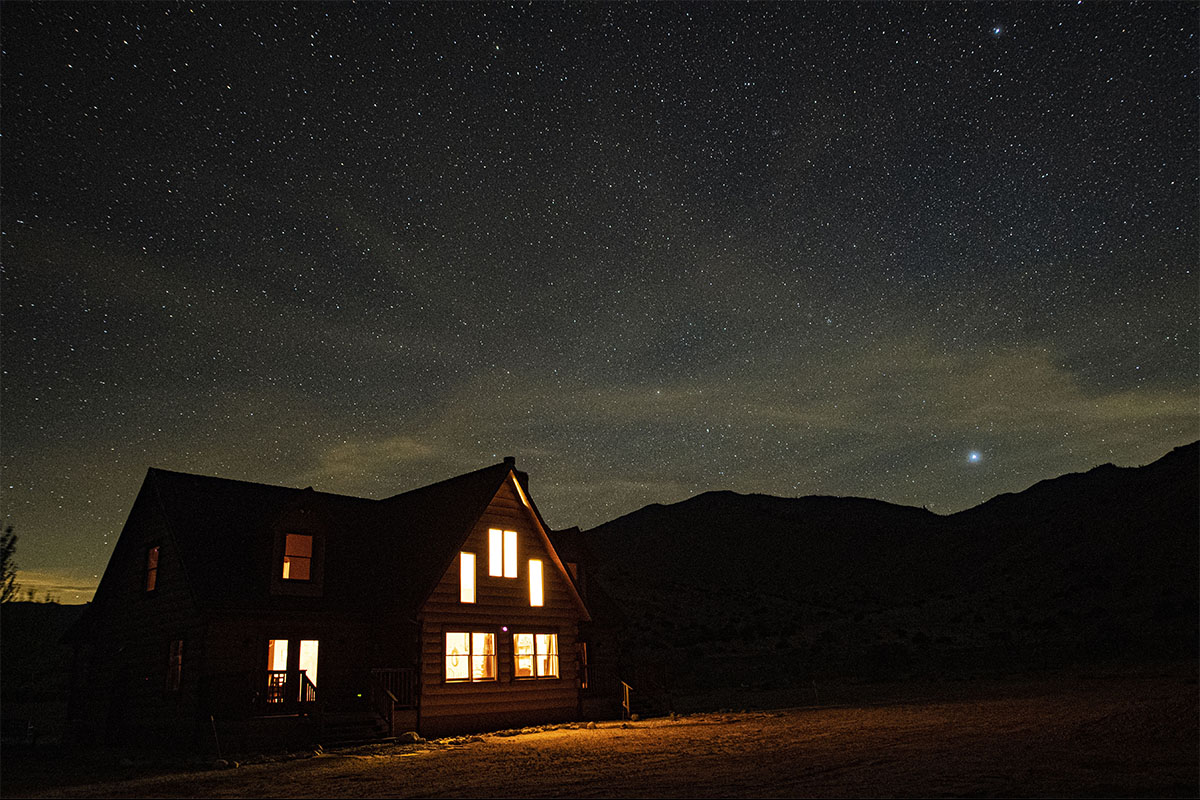
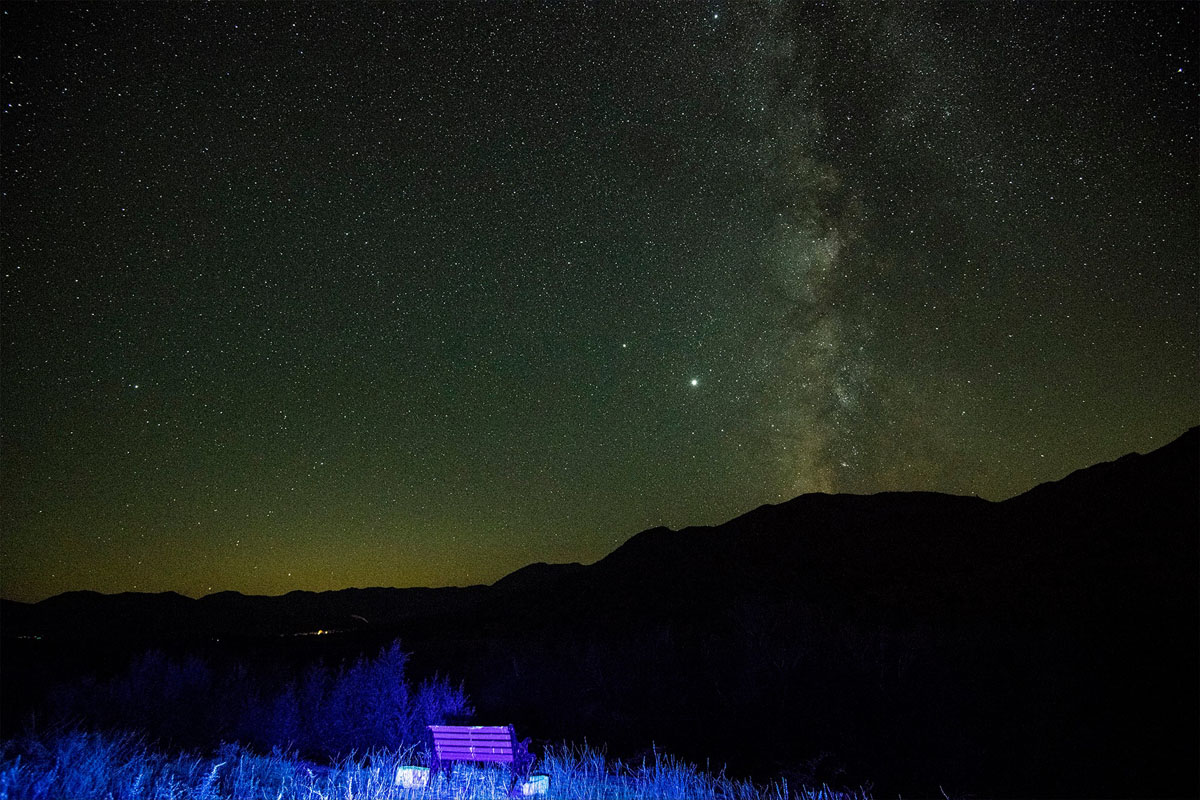
Stargazing is one of the reasons many of our guests return. Most of us live in highly light polluted city-scapes or in the suburbs and have never seen a sky like this .
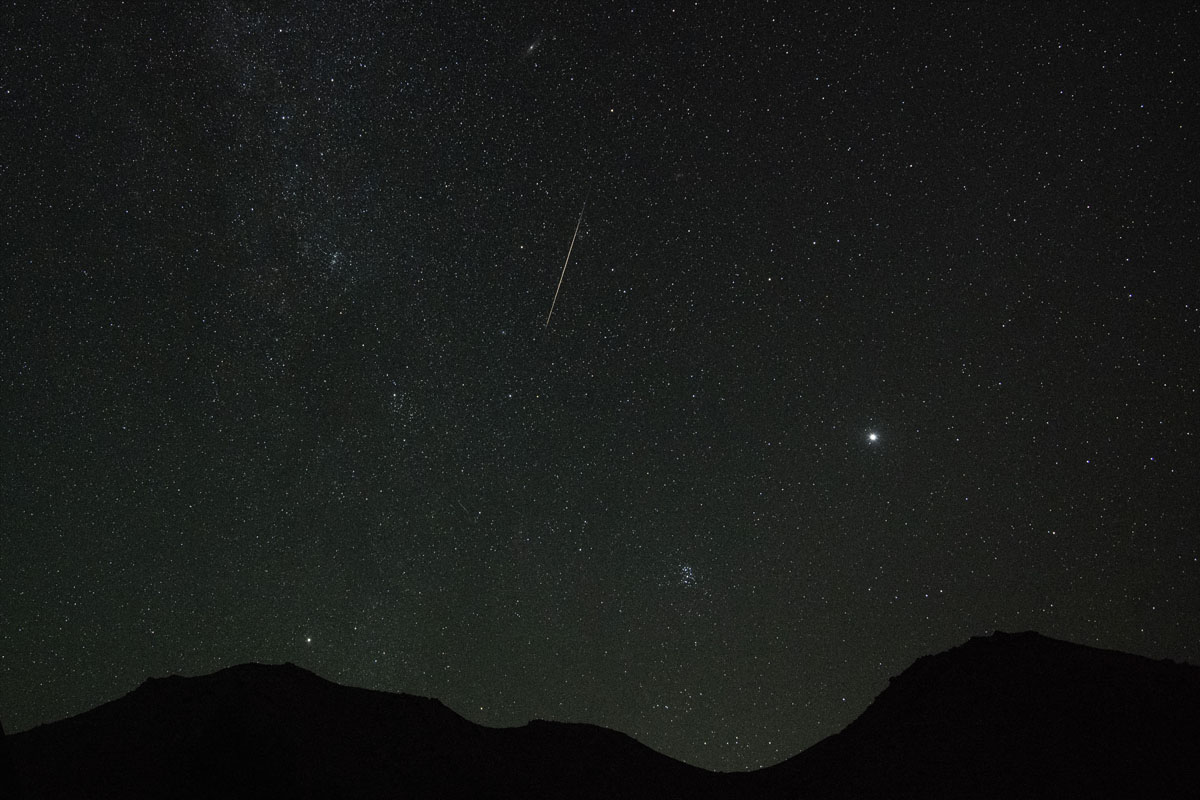
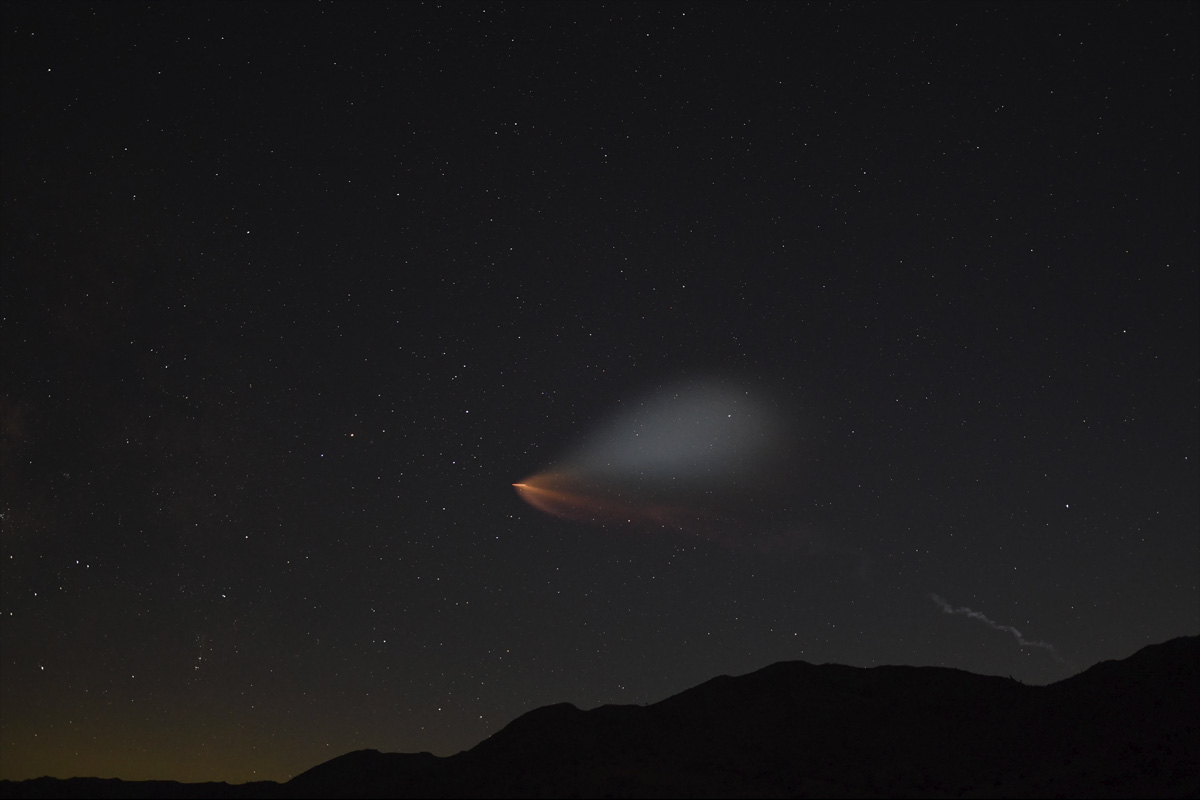
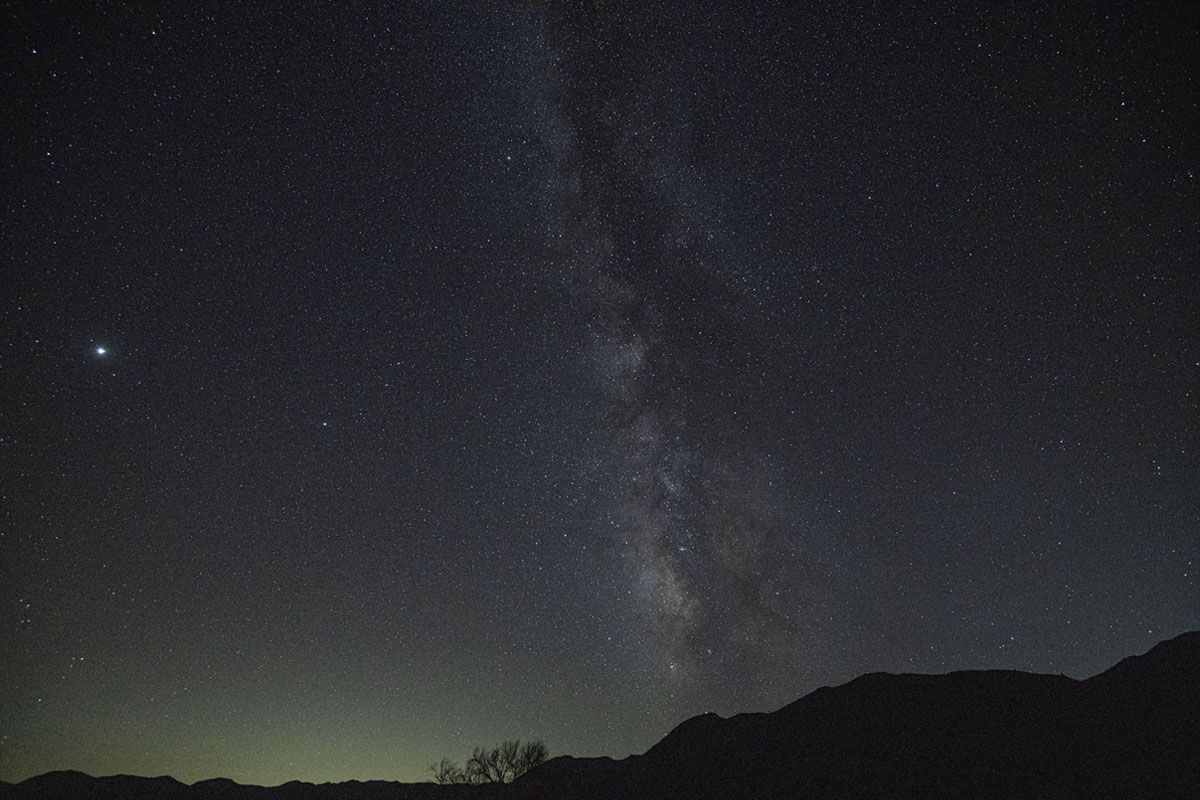
Several sites that are astounding to see from our elevation and clear skies: the milky way, the near monthly meteor showers, rocket launches from Vanderberg Space Force Base, the planets and moon, weird things that might be coming from China Lake Naval Air Station – or not. We all have seen some strange things out here.
If you are into astrophotography, meteor showers, binocular or deep space photography, or just a fan of stargazing, then the Monkey Flower Ranch is for you.
We have a number of guide books, star maps, and other reference material to assist in your observations.
Why our dark skies are exceptional:
We are located 22 miles from the nearest small city (Lake Isabella), and 55 miles from the biggest night polluting city (Ridgecrest). Being this remote gives you the opportunity to see the night sky as you probably have never seen it before. This is ideal for amateur stargazing, to the astrophotography professional – bring your cameras and equipment!
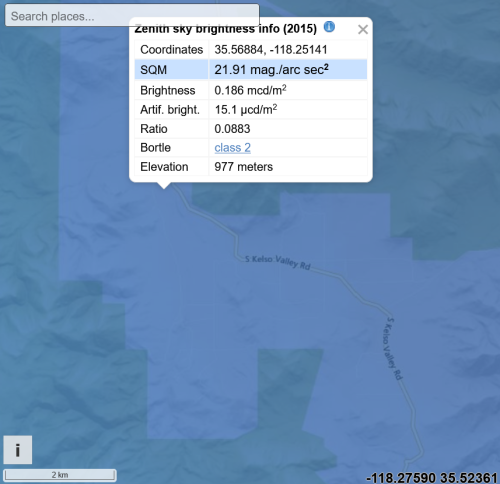
We are in the class II zone of dark sky measurement via the Bortle measurement for dark sky quality. In layman’s terms, it’s the darkest sky you’ll get besides being in the middle of Death Valley. Come out during a moonless night and you’ll want to stay up all night watching the skies.
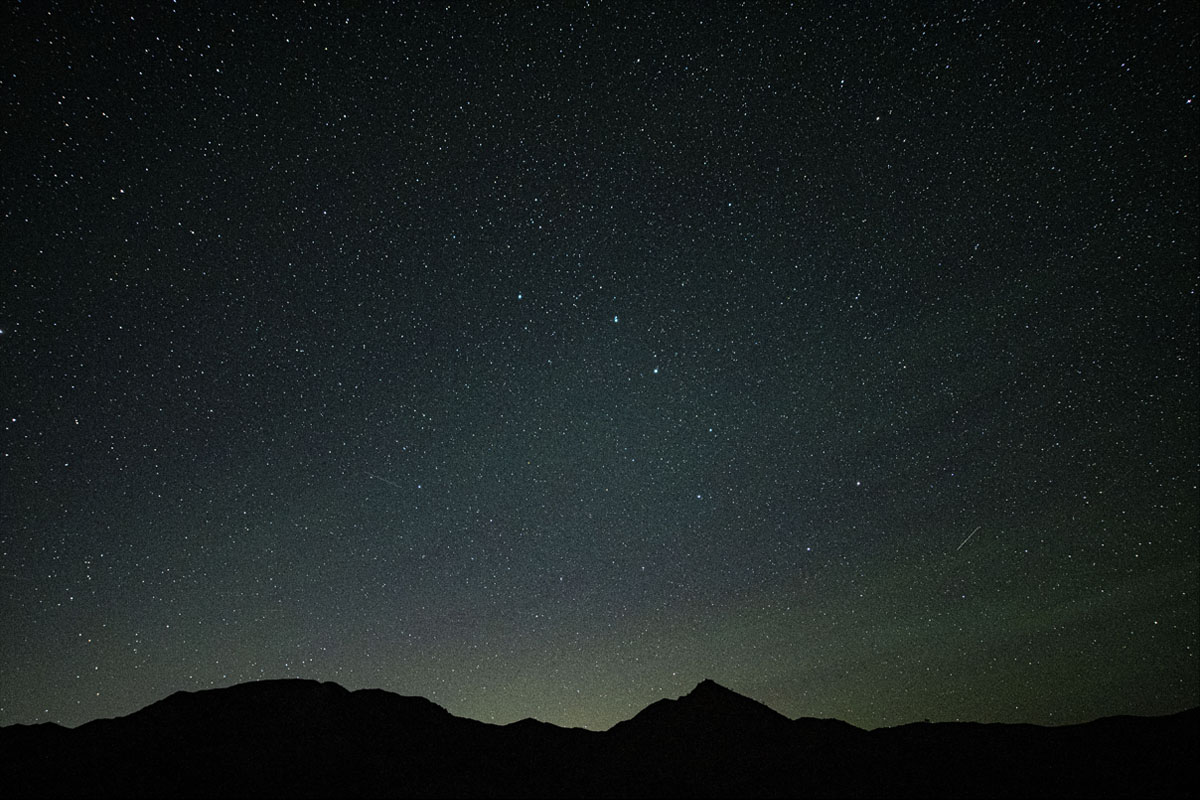
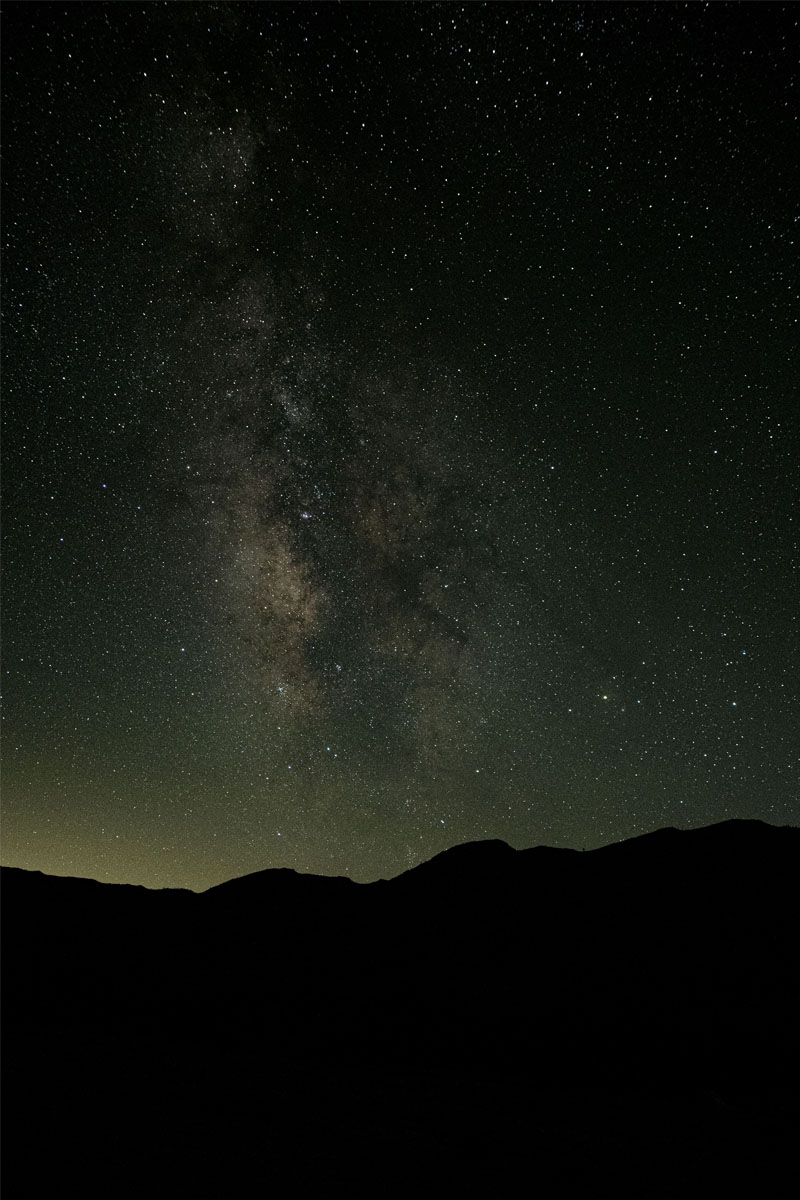
The only thing noticeable is a slight haze towards the west; this is the LA basin. But as you can tell from some of the photograhs showcased here – these are with the LA basin haze.
— What you can see…
Here are the key celestial events visible from California in 2026:
Major Eclipses:
Meteor Showers:
Planet Events:
Supermoons:
Bonus: May 31 features a Blue Moon (second full moon in the same month)!
— What you can see…
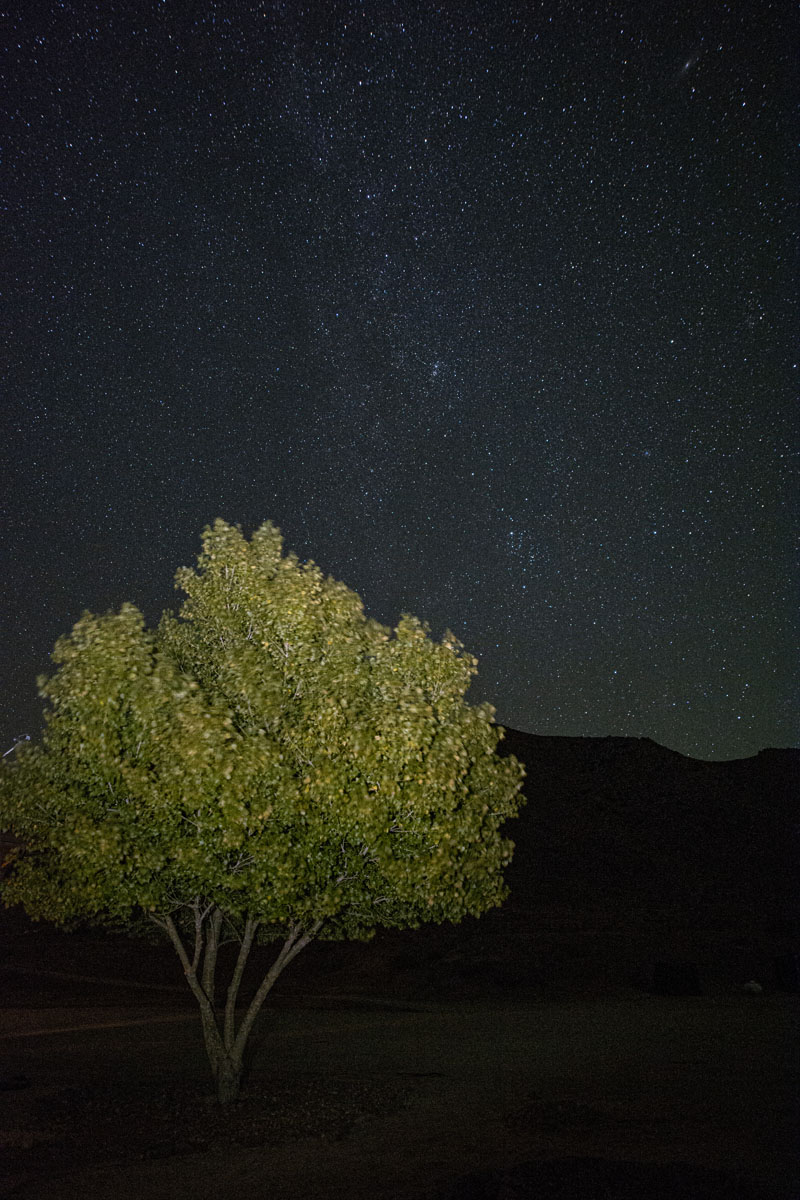
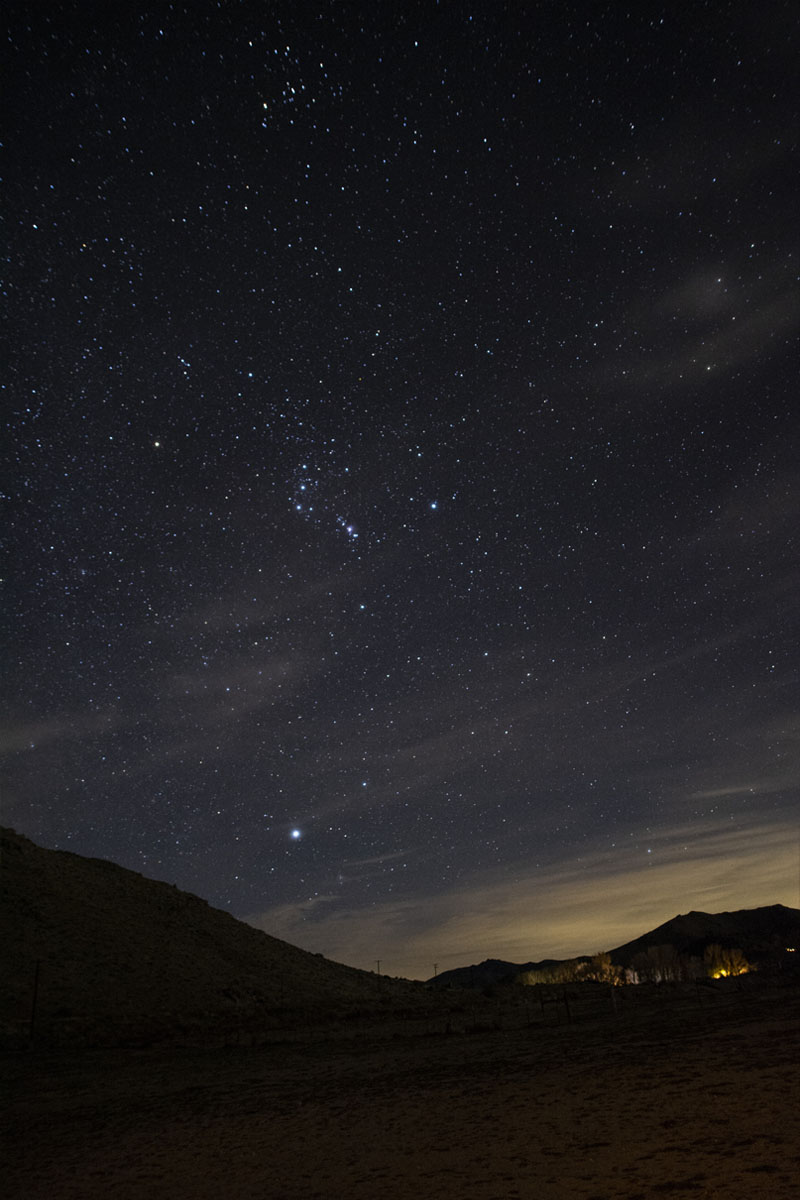
Most of all of the photos on this page were taken within 50 feet from the ranch house – so yes, astrophotography is a thing here.
The ideal time of the month to be out here is on your moon less nights. So please check the moon phases and try to book during a time the moon is in the last week of its waning phase. If you are unable to make it during a new moon phase, well don’t be discouraged – planetary and moon photography is the next best thing to deep sky photography.
Setting up your equipment